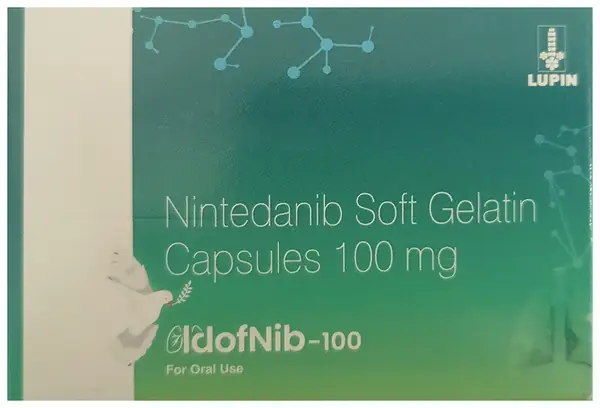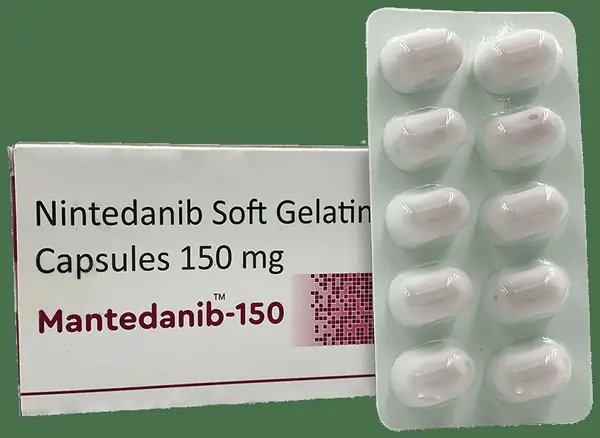

Idofnib 150 Soft Gelatin Capsule
Images are for reference. Actual packaging may vary.
1 units • OtherPrescription requiredSchedule H
Idofnib 150 Soft Gelatin Capsule
Nintedanib (150mg)
₹1177.00
1 units • Other
A valid prescription is required for this medicine.
1
Delivery
Safe & Secure
Easy Returns
24/7 Support
SMARTER CARE
A little guidance.
A better choice.
Haven’t found an alternative? A health advisor can help you understand what to do next.
No matching alternative found
We haven't found a cheaper matching alternative in our catalogue right now. Our health advisors can help you explore other options.
Active composition
Nintedanib 150 mg
How It Works
Nintedanib inhibits multiple receptor tyrosine kinases, reducing fibroblast proliferation and collagen deposition in lung tissue.
Medicine Strength
150 mg
Uses & Benefits
Medical applications
Idofnib 150 Soft Gelatin Capsule contains Nintedanib 150 mg, a potent intracellular inhibitor of tyrosine kinases involved in the pathogenesis of various fibrotic and neoplastic diseases. Nintedanib selectively targets receptors such as vascular endothelial growth factor receptor (VEGFR), platelet-derived growth factor receptor (PDGFR), and fibroblast growth factor receptor (FGFR), thereby inhibiting pathways critical for angiogenesis, fibroblast proliferation, and tumor growth.
Read full descriptionShow less
Idofnib 150 is primarily indicated for the treatment of idiopathic pulmonary fibrosis (IPF), where it slows disease progression by reducing lung function decline. Additionally, it is approved for use in certain types of non-small cell lung cancer (NSCLC) in combination with chemotherapy, as well as for systemic sclerosis-associated interstitial lung disease (SSc-ILD). The soft gelatin capsule formulation facilitates oral administration and enhances patient compliance.
Dosage should be individualized based on clinical response and tolerability, with monitoring for adverse effects such as gastrointestinal disturbances, hepatic enzyme elevations, and potential bleeding risks. Regular liver function tests and clinical assessments are recommended during therapy. Idofnib 150 should be used under strict medical supervision, considering contraindications and potential drug interactions.
Its mechanism of action and clinical efficacy make it a valuable option in managing progressive fibrotic lung diseases and selected malignancies.
Dosage & How to Use
Indolecarboxylic Acids
Safety Advice
Important precautions
Side effects
Side-effect information is not available for this medicine. Please consult your doctor or pharmacist.
Safety Advice
Alcohol
Idofnib 150 Soft Gelatin Capsule is unsafe to use during pregnancy as there is definite evidence of risk to the developing baby. However, the doctor may rarely prescribe it in some life-threatening situations if the benefits are more than the potential risks. Please consult your doctor.
High Risk
Pregnancy
Idofnib 150 Soft Gelatin Capsule is probably unsafe to use during breastfeeding. Limited human data suggests that the drug may pass into the breastmilk and harm the baby.
Medical Advice
Driving
Idofnib 150 Soft Gelatin Capsule should be used with caution in patients with severe kidney disease. Dose adjustment of Idofnib 150 Soft Gelatin Capsule may be needed. Please consult your doctor. There is limited information available on the use of Idofnib 150 Soft Gelatin Capsule in these patients.
Exercise Caution
Breastfeeding
Idofnib 150 Soft Gelatin Capsule may cause side effects which could affect your ability to drive. You may feel sick after taking this medicine and this could affect your driving.
Consult Doctor
Kidney
Idofnib 150 Soft Gelatin Capsule should be used with caution in patients with liver disease. Dose adjustment of Idofnib 150 Soft Gelatin Capsule may be needed. Please consult your doctor. Use of Idofnib 150 Soft Gelatin Capsule is not recommended in patients with moderate to severe liver disease.
Regular Checkup
Customer Reviews
0 reviews for Idofnib 150 Soft Gelatin Capsule