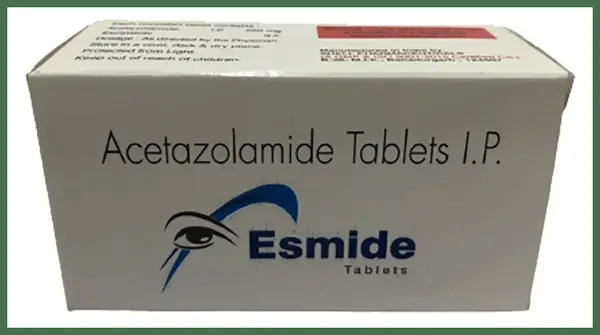
Maxbrim Eye Drop
Images are for reference. Actual packaging may vary.
Bottle of 5 ml • SyrupPrescription requiredSchedule H
Maxbrim Eye Drop
Brinzolamide (1% w/v) + Brimonidine (0.2% w/v)
₹660.00
Bottle of 5 ml • Syrup
A valid prescription is required for this medicine.
1
Delivery
Safe & Secure
Easy Returns
24/7 Support
SMARTER CARE
A little guidance.
A better choice.
Haven’t found an alternative? A health advisor can help you understand what to do next.
No matching alternative found
We haven't found a cheaper matching alternative in our catalogue right now. Our health advisors can help you explore other options.
Active composition
Brimonidine
+1 more active ingredient
How It Works
Brimonidine stimulates alpha-2 adrenergic receptors, reducing aqueous humor production and enhancing its outflow.
Brinzolamide inhibits carbonic anhydrase, reducing bicarbonate production and aqueous humor secretion.
All Active Ingredients
Brimonidine
Brinzolamide
Uses & Benefits
Medical applications
Maxbrim Eye Drop is a combination ophthalmic solution containing Brinzolamide 1% w/v and Brimonidine 0.2% w/v, indicated for the reduction of elevated intraocular pressure (IOP) in patients with open-angle glaucoma or ocular hypertension. Brinzolamide is a carbonic anhydrase inhibitor that decreases aqueous humor production by inhibiting the enzyme carbonic anhydrase in the ciliary processes, thereby reducing IOP.
Read full descriptionShow less
Brimonidine is an alpha-2 adrenergic receptor agonist that lowers IOP through dual mechanisms: decreasing aqueous humor production and increasing uveoscleral outflow. The synergistic effect of these agents provides effective IOP control, which is critical in preventing optic nerve damage and visual field loss associated with glaucoma. Maxbrim Eye Drop is typically administered as one drop in the affected eye(s) two to three times daily, as directed by a healthcare professional.
Caution is advised in patients with hypersensitivity to any component, severe cardiovascular disease, or hepatic impairment. Common adverse effects include ocular discomfort, blurred vision, and dry mouth. Patients should avoid contact lens use during administration and consult their ophthalmologist for appropriate monitoring. Maxbrim Eye Drop offers a convenient and efficacious option for managing elevated IOP in glaucoma therapy.
Dosage & How to Use
How to use Maxbrim Eye Drop This medicine is for external use only. Use it in the dose and duration as advised by your doctor. Check the label for directions before use. Hold the dropper close to the eye without touching it. Gently squeeze the dropper and place the medicine inside the lower eyelid. Wipe off the extra liquid.
Safety Advice
Important precautions
Side effects
Side-effect information is not available for this medicine. Please consult your doctor or pharmacist.
Safety Advice
Alcohol
No interaction found/established
High Risk
Pregnancy
Information regarding the use of Maxbrim Eye Drop during pregnancy is not available. Please consult your doctor.
Medical Advice
Driving
Maxbrim Eye Drop may cause blurring of your vision for a short time just after its use. Do not drive until your vision is clear.
Exercise Caution
Liver
No interaction found/established
Regular Checkup
Breastfeeding
Information regarding the use of Maxbrim Eye Drop during breastfeeding is not available. Please consult your doctor.
Consult Doctor
Kidney
No interaction found/established
Regular Checkup
Customer Reviews
0 reviews for Maxbrim Eye Drop