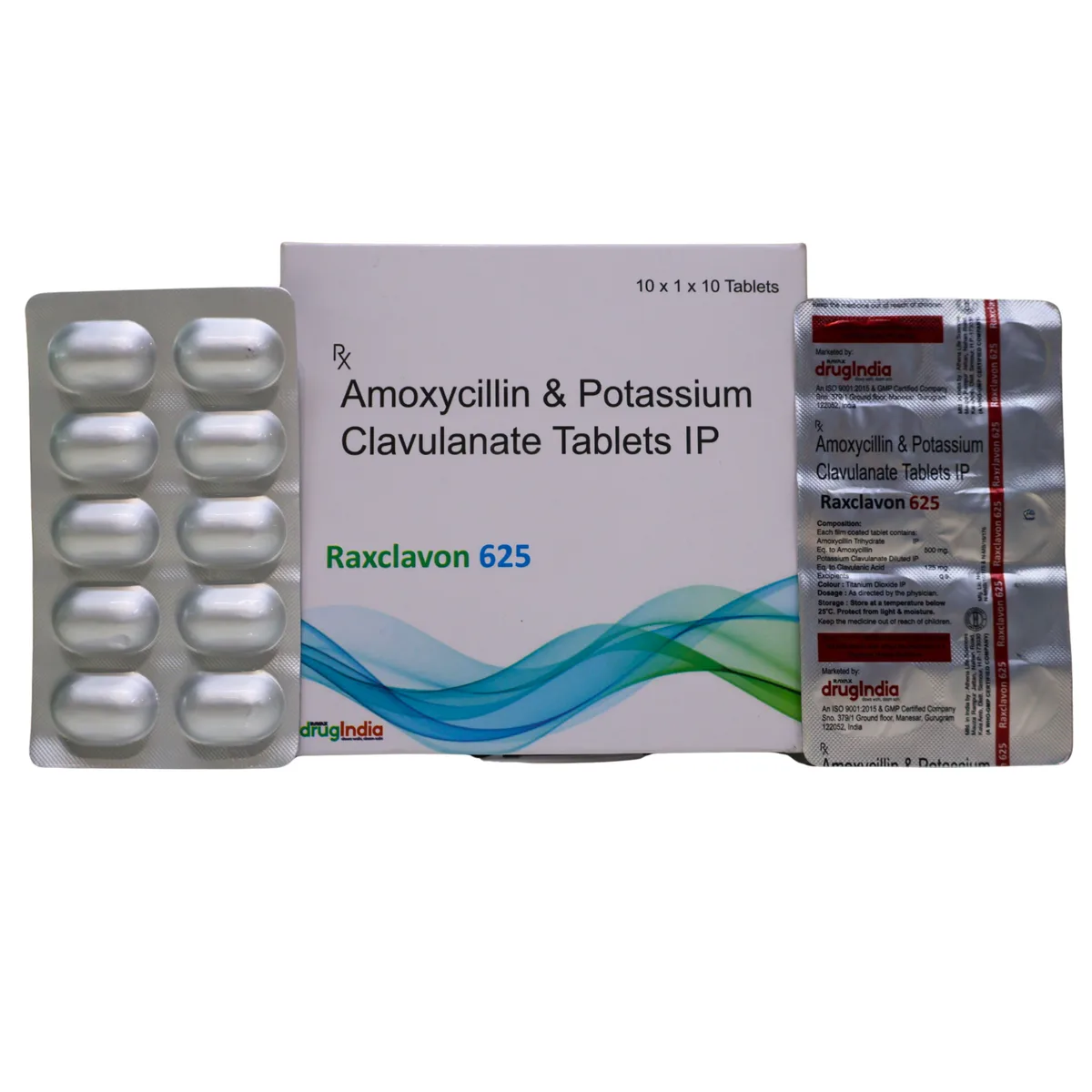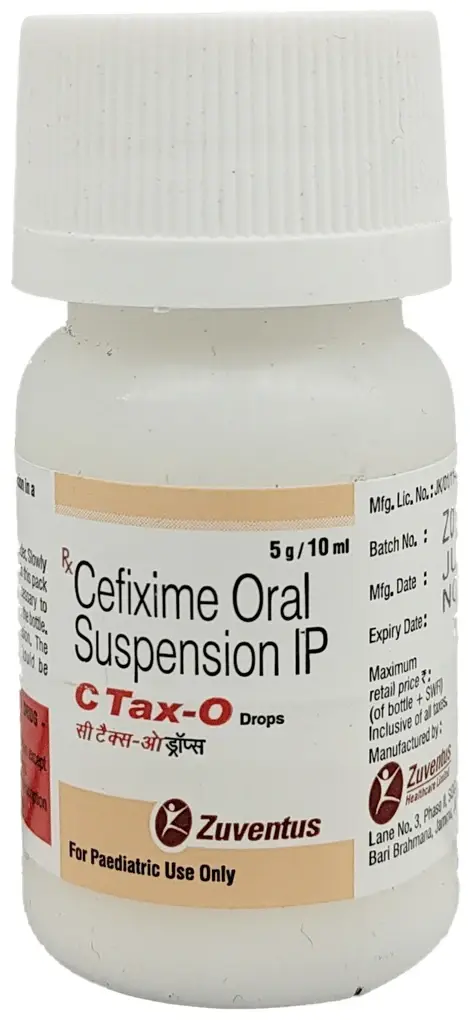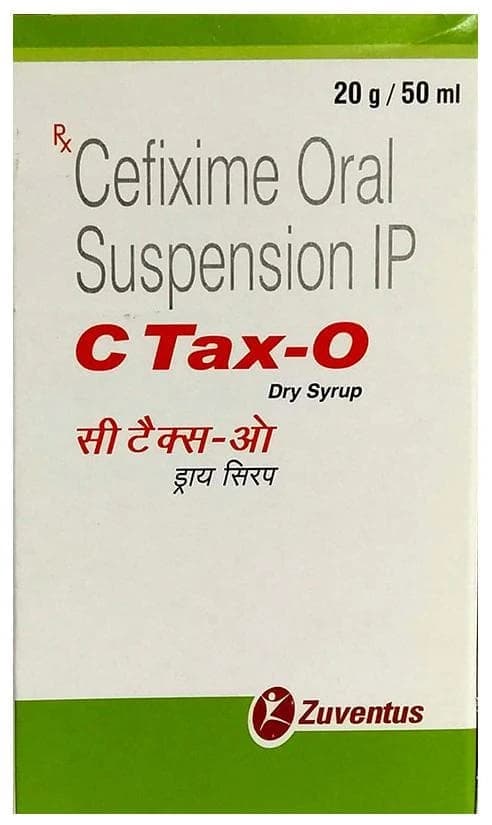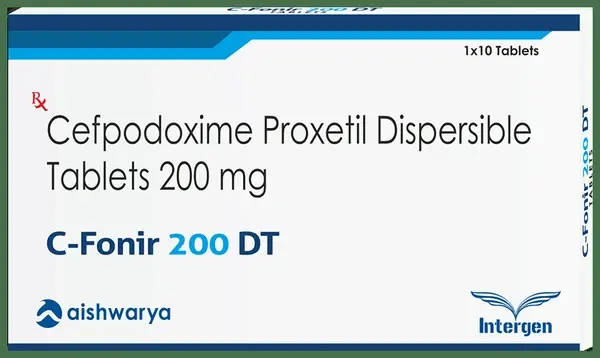

Keftragard 1000mg/500mg Injection
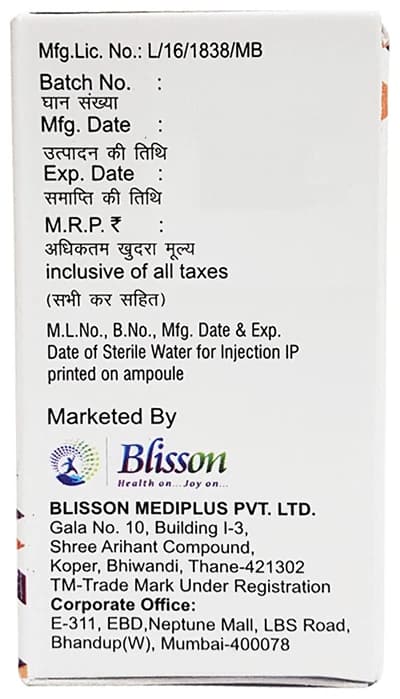
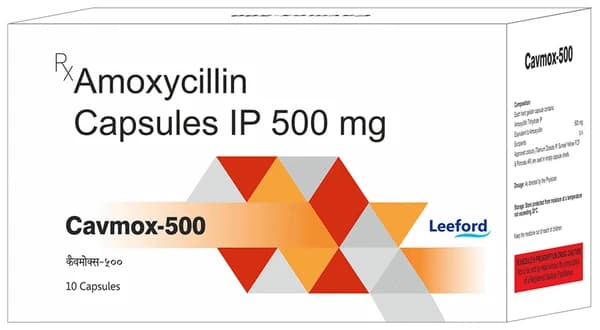
Images are for reference. Actual packaging may vary.
Vial of 20 ml • LiquidPrescription requiredSchedule H
Keftragard 1000mg/500mg Injection
Ceftriaxone (1000mg) + Sulbactam (500mg)
₹172.60
Vial of 20 ml • Liquid
A valid prescription is required for this medicine.
1
Delivery
Safe & Secure
Easy Returns
24/7 Support
SMARTER CARE
A little guidance.
A better choice.
Haven’t found an alternative? A health advisor can help you understand what to do next.
No matching alternative found
We haven't found a cheaper matching alternative in our catalogue right now. Our health advisors can help you explore other options.
Active composition
Sulbactam 500 mg
+1 more active ingredient
How It Works
Sulbactam irreversibly binds to beta-lactamase enzymes, preventing them from inactivating beta-lactam antibiotics.
Ceftriaxone binds to penicillin-binding proteins, inhibiting cell wall synthesis and leading to bacterial lysis.
Medicine Strength
500 mg
All Active Ingredients
Sulbactam500 mg
Ceftriaxone1000 mg
Uses & Benefits
Medical applications
InfectionBacterialAllergySkin
Keftragard 1000mg/500mg Injection is a sterile, injectable formulation combining Ceftriaxone, a third-generation cephalosporin antibiotic (1000mg), with Sulbactam, a beta-lactamase inhibitor (500mg). This combination enhances the antibacterial spectrum of Ceftriaxone by inhibiting beta-lactamase enzymes produced by resistant bacteria, thereby restoring its efficacy against beta-lactamase-producing pathogens.
Read full descriptionShow less
Keftragard is indicated for the treatment of a wide range of infections caused by susceptible organisms, including lower respiratory tract infections, urinary tract infections, skin and soft tissue infections, intra-abdominal infections, bone and joint infections, and septicemia. The drug exhibits bactericidal activity by interfering with bacterial cell wall synthesis, leading to cell lysis and death.
Ceftriaxone’s long half-life allows once-daily dosing, while Sulbactam’s presence broadens coverage against resistant strains. Administration is via intravenous or intramuscular injection, with dosage and duration tailored according to infection severity, site, and patient factors such as renal function. Common adverse effects may include local injection site reactions, gastrointestinal disturbances, and hypersensitivity reactions.
Caution is advised in patients with penicillin allergy or hepatic impairment. Keftragard should be used under strict medical supervision to ensure appropriate use and minimize resistance development.
Dosage & How to Use
How to use Keftragard Injection Your doctor or nurse will give you this medicine. Kindly do not self administer.
Safety Advice
Important precautions
Side effects
Side-effect information is not available for this medicine. Please consult your doctor or pharmacist.
Safety Advice
Alcohol
Consuming alcohol with Keftragard 1000mg/500mg Injection does not cause any harmful side effects.
High Risk
Pregnancy
Keftragard 1000mg/500mg Injection is generally considered safe to use during pregnancy. Animal studies have shown low or no adverse effects to the developing baby; however, there are limited human studies.
Medical Advice
Driving
Keftragard 1000mg/500mg Injection may decrease alertness, affect your vision or make you feel sleepy and dizzy. Do not drive if these symptoms occur.
Exercise Caution
Liver
Keftragard 1000mg/500mg Injection should be used with caution in patients with severe liver disease. Dose adjustment of Keftragard 1000mg/500mg Injection may be needed. Please consult your doctor. Dose adjustment of Keftragard 1000mg/500mg Injection is not recommended in patients with mild to moderate liver disease.
Regular Checkup
Breastfeeding
Keftragard 1000mg/500mg Injection should be used with caution during breastfeeding. Breastfeeding should be held until the treatment of the mother is completed and the drug is eliminated from her body.
Consult Doctor
Kidney
There is limited information available on the use of Keftragard 1000mg/500mg Injection in patients with kidney disease. Please consult your doctor.
Regular Checkup
Customer Reviews
0 reviews for Keftragard 1000mg/500mg Injection