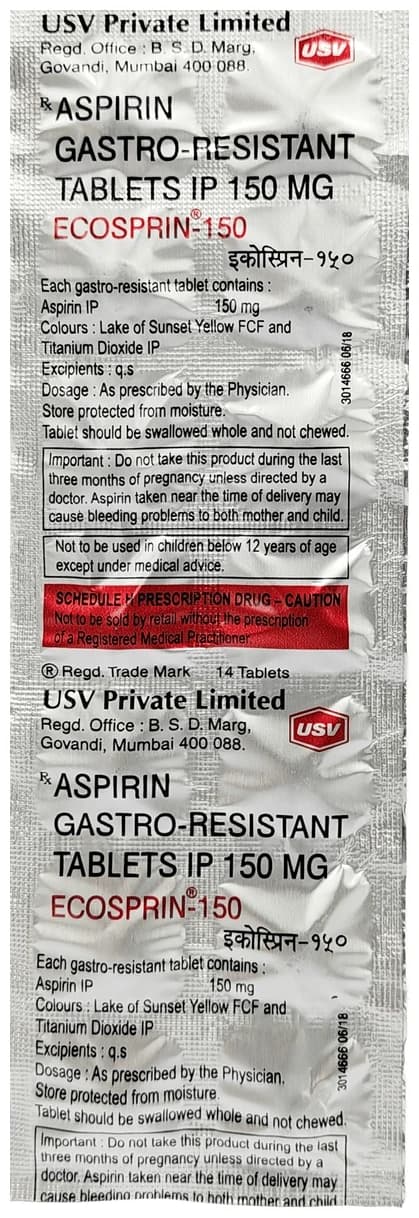

Hopace 10 Tablet
Images are for reference. Actual packaging may vary.
Strip of 10 tablets • TabletPrescription requiredSchedule H
Hopace 10 Tablet
Ramipril (10mg)
₹188.40
Strip of 10 tablets • Tablet
A valid prescription is required for this medicine.
1
Delivery
Safe & Secure
Easy Returns
24/7 Support
SMARTER CARE
A little guidance.
A better choice.
Haven’t found an alternative? A health advisor can help you understand what to do next.
No matching alternative found
We haven't found a cheaper matching alternative in our catalogue right now. Our health advisors can help you explore other options.
Active composition
Ramipril 10 mg
How It Works
Ramipril inhibits the ACE enzyme, preventing the conversion of angiotensin I to angiotensin II, leading to vasodilation and reduced blood pressure.
Medicine Strength
10 mg
Uses & Benefits
Medical applications
CoughBlood PressureHeart
Hopace 10 Tablet contains Ramipril 10 mg, an angiotensin-converting enzyme (ACE) inhibitor primarily indicated for the management of hypertension and congestive heart failure. By inhibiting the ACE enzyme, Ramipril reduces the conversion of angiotensin I to angiotensin II, a potent vasoconstrictor, thereby promoting vasodilation, decreasing peripheral vascular resistance, and lowering blood pressure.
Read full descriptionShow less
This mechanism also reduces the workload on the heart, making Hopace 10 effective in improving cardiac function in patients with heart failure. Additionally, Ramipril has been shown to provide renal protection in patients with diabetic nephropathy and to reduce the risk of myocardial infarction, stroke, and cardiovascular mortality in high-risk patients. The recommended dosage should be individualized based on patient response and clinical condition, with careful monitoring of blood pressure, renal function, and serum electrolytes during therapy.
Common side effects include cough, dizziness, hypotension, and hyperkalemia, while rare but serious adverse effects may involve angioedema and renal impairment. Hopace 10 should be used cautiously in patients with renal artery stenosis, pregnancy, or a history of hypersensitivity to ACE inhibitors. It is essential to consult a healthcare professional before initiating treatment with Hopace 10 Tablet.
Dosage & How to Use
Dipeptides (Carboxylic acids derivatives)
Safety Advice
Important precautions
Side effects
Side-effect information is not available for this medicine. Please consult your doctor or pharmacist.
Safety Advice
Alcohol
Hopace 10 Tablet is unsafe to use during pregnancy as there is definite evidence of risk to the developing baby. However, the doctor may rarely prescribe it in some life-threatening situations if the benefits are more than the potential risks. Please consult your doctor.
High Risk
Pregnancy
Hopace 10 Tablet is probably unsafe to use during breastfeeding. Limited human data suggests that the drug may pass into the breastmilk and harm the baby.
Medical Advice
Driving
Hopace 10 Tablet should be used with caution in patients with kidney disease. Dose adjustment of Hopace 10 Tablet may be needed. Please consult your doctor. Regular monitoring of blood pressure is recommended for dose adjustment.
Exercise Caution
Breastfeeding
Hopace 10 Tablet may decrease alertness, affect your vision or make you feel sleepy and dizzy. Do not drive if these symptoms occur.
Consult Doctor
Kidney
Hopace 10 Tablet should be used with caution in patients with liver disease. Dose adjustment of Hopace 10 Tablet may be needed. Please consult your doctor. Inform your doctor if you develop any signs and symptoms of jaundice while taking this medicine.
Regular Checkup
Customer Reviews
0 reviews for Hopace 10 Tablet