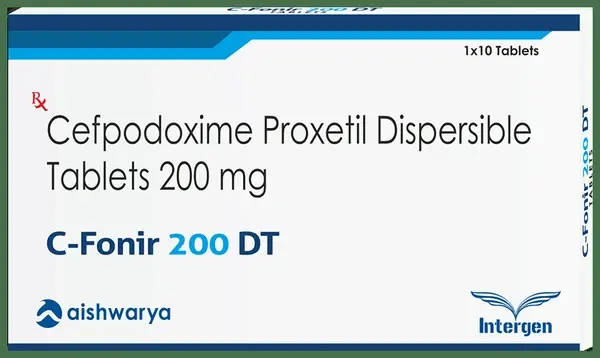

Gifaxin 400 Tablet
Images are for reference. Actual packaging may vary.
Strip of 10 tablets • TabletPrescription requiredSchedule H
Gifaxin 400 Tablet
Rifaximin (400mg)
₹329.00
Strip of 10 tablets • Tablet
A valid prescription is required for this medicine.
1
Delivery
Safe & Secure
Easy Returns
24/7 Support
SMARTER CARE
A little guidance.
A better choice.
Haven’t found an alternative? A health advisor can help you understand what to do next.
No matching alternative found
We haven't found a cheaper matching alternative in our catalogue right now. Our health advisors can help you explore other options.
Active composition
Rifaximin 400 mg
How It Works
Rifaximin binds to the beta-subunit of bacterial RNA polymerase, inhibiting RNA synthesis and leading to bacterial cell death.
Medicine Strength
400 mg
Uses & Benefits
Medical applications
InfectionBacterialAntibiotic
Gifaxin 400 Tablet contains Rifaximin 400 mg, a broad-spectrum, non-absorbable antibiotic primarily used to treat gastrointestinal infections caused by susceptible bacteria. Rifaximin acts by inhibiting bacterial RNA synthesis through binding to the beta-subunit of bacterial DNA-dependent RNA polymerase, leading to the suppression of bacterial growth. Due to its minimal systemic absorption, Gifaxin 400 is effective locally within the gastrointestinal tract, making it suitable for conditions such as traveler's diarrhea caused by non-invasive strains of Escherichia coli, hepatic encephalopathy prevention by reducing gut ammonia-producing bacteria, and irritable bowel syndrome with diarrhea (IBS-D).
Read full descriptionShow less
The medication is generally well-tolerated, with a low incidence of systemic side effects. It is contraindicated in patients with known hypersensitivity to rifaximin or any rifamycin derivatives. Dosage and duration of therapy should be determined based on the specific indication and clinical response. Caution is advised in patients with severe hepatic impairment. Gifaxin 400 should be used under medical supervision, and patients should complete the prescribed course to prevent bacterial resistance.
It is important to monitor for any adverse reactions and report them promptly to a healthcare professional.
Dosage & How to Use
Rifamycin derivatives
Safety Advice
Important precautions
Side effects
Side-effect information is not available for this medicine. Please consult your doctor or pharmacist.
Safety Advice
Alcohol
Gifaxin 400 Tablet may be unsafe to use during pregnancy. Although there are limited studies in humans, animal studies have shown harmful effects on the developing baby. Your doctor will weigh the benefits and any potential risks before prescribing it to you. Please consult your doctor.
High Risk
Pregnancy
Gifaxin 400 Tablet is probably safe to use during breastfeeding. Limited human data suggests that the drug does not represent any significant risk to the baby.
Medical Advice
Driving
Gifaxin 400 Tablet is probably safe to use in patients with kidney disease. Limited data available suggests that dose adjustment of Gifaxin 400 Tablet may not be needed in these patients. Please consult your doctor.
Exercise Caution
Breastfeeding
Gifaxin 400 Tablet does not usually affect your ability to drive.
Consult Doctor
Kidney
Gifaxin 400 Tablet should be used with caution in patients with severe liver disease. Dose adjustment of Gifaxin 400 Tablet may be needed. Please consult your doctor.
Regular Checkup
Customer Reviews
0 reviews for Gifaxin 400 Tablet