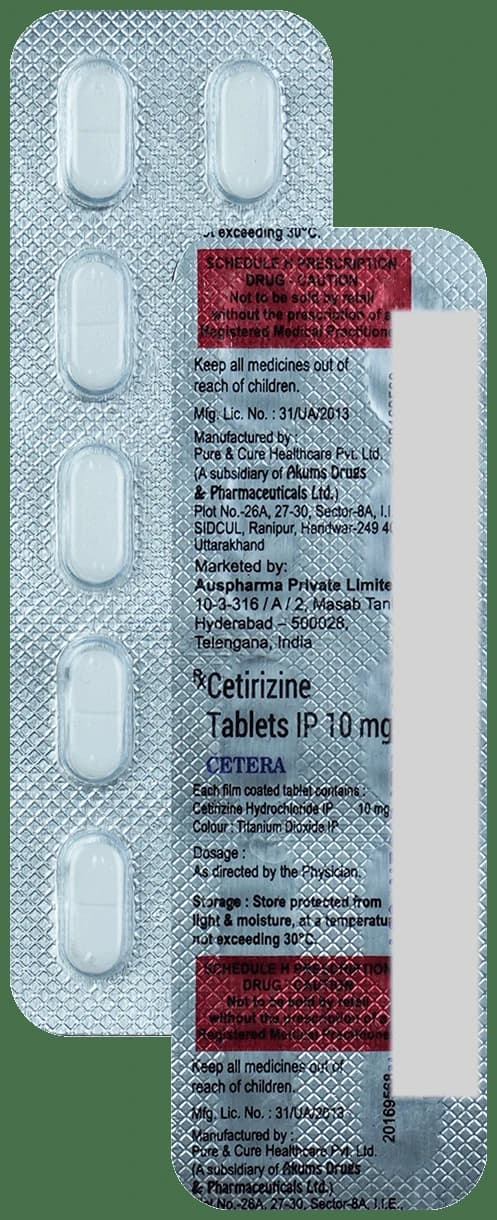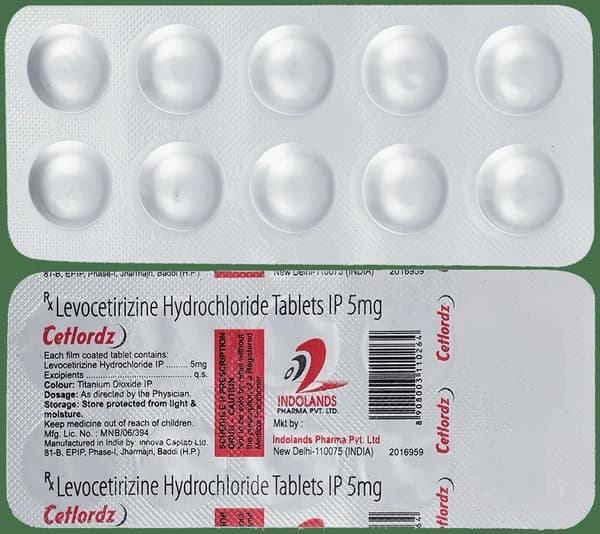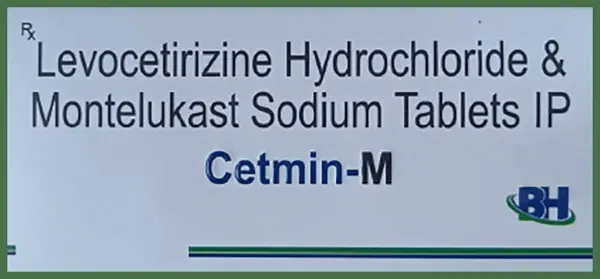

Levokast Tablet
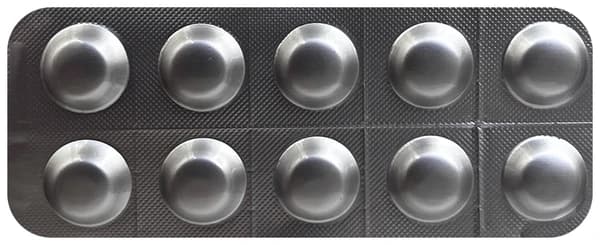
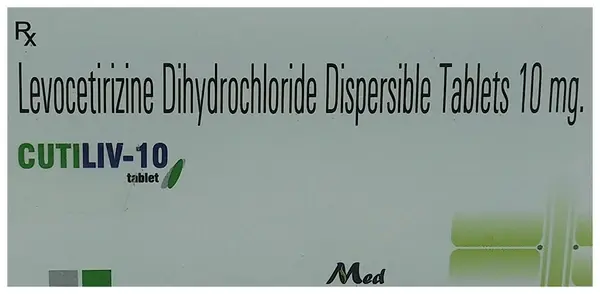
Images are for reference. Actual packaging may vary.
Strip of 10 tablets • TabletPrescription requiredSchedule H
Levokast Tablet
Levocetirizine (5mg) + Montelukast (10mg)
₹193.35
Strip of 10 tablets • Tablet
A valid prescription is required for this medicine.
1
Delivery
Safe & Secure
Easy Returns
24/7 Support
SMARTER CARE
A little guidance.
A better choice.
Haven’t found an alternative? A health advisor can help you understand what to do next.
No matching alternative found
We haven't found a cheaper matching alternative in our catalogue right now. Our health advisors can help you explore other options.
Active composition
Levocetirizine 5 mg
+1 more active ingredient
How It Works
Levocetirizine selectively antagonizes H1 histamine receptors, inhibiting the effects of histamine in allergic responses.
Montelukast selectively antagonizes leukotriene receptors, inhibiting their effects on bronchoconstriction and inflammation.
Medicine Strength
5 mg
All Active Ingredients
Levocetirizine5 mg
Montelukast10 mg
Uses & Benefits
Medical applications
InflammationHeadacheAllergicAsthma
Levokast Tablet contains Levocetirizine 5mg and Montelukast 10mg, combining an antihistamine and a leukotriene receptor antagonist to provide effective relief from allergic conditions. Levocetirizine, a third-generation non-sedating antihistamine, selectively inhibits peripheral H1 receptors, thereby reducing symptoms such as sneezing, rhinorrhea, nasal itching, and conjunctival irritation commonly associated with allergic rhinitis and chronic urticaria.
Read full descriptionShow less
Montelukast acts by blocking leukotriene D4 receptors in the respiratory tract, preventing bronchoconstriction, inflammation, and mucus production, which are key contributors to asthma and allergic rhinitis pathophysiology. The synergistic action of Levokast Tablet offers comprehensive management of allergic rhinitis, chronic urticaria, and asthma by addressing both histamine-mediated and leukotriene-mediated pathways.
It is indicated for patients requiring combined therapy for symptomatic control of seasonal and perennial allergic rhinitis, as well as adjunctive treatment in asthma to improve respiratory function and reduce exacerbations. Levokast is generally well tolerated; common adverse effects may include headache, fatigue, and gastrointestinal discomfort. It is advisable to use Levokast under medical supervision, considering potential drug interactions and contraindications, especially in patients with hepatic or renal impairment.
Dosage & How to Use
How to use Levokast Tablet Take this medicine in the dose and duration as advised by your doctor. Swallow it as a whole. Do not chew, crush or break it. Levokast Tablet may be taken with or without food, but it is better to take it at a fixed time.
Safety Advice
Important precautions
Side effects
Side-effect information is not available for this medicine. Please consult your doctor or pharmacist.
Safety Advice
Alcohol
Caution is advised when consuming alcohol with Levokast Tablet. Please consult your doctor.
High Risk
Pregnancy
Levokast Tablet is generally considered safe to use during pregnancy. Animal studies have shown low or no adverse effects to the developing baby; however, there are limited human studies.
Medical Advice
Driving
Levokast Tablet may decrease alertness, affect your vision or make you feel sleepy and dizzy. Do not drive if these symptoms occur.
Exercise Caution
Liver
Levokast Tablet should be used with caution in patients with severe liver disease. Dose adjustment of Levokast Tablet may be needed. Please consult your doctor. Limited information is available on the use of Levokast Tablet in these patients. No dose adjustment is recommended in patients with mild to moderate liver disease.
Regular Checkup
Breastfeeding
Levokast Tablet is unsafe to use during breastfeeding. Data suggests that the drug may cause toxicity to the baby.
Consult Doctor
Kidney
Levokast Tablet should be used with caution in patients with kidney disease. Dose adjustment of Levokast Tablet may be needed. Please consult your doctor. Use of Levokast Tablet is not recommended in patients with severe kidney disease.
Regular Checkup
Customer Reviews
0 reviews for Levokast Tablet