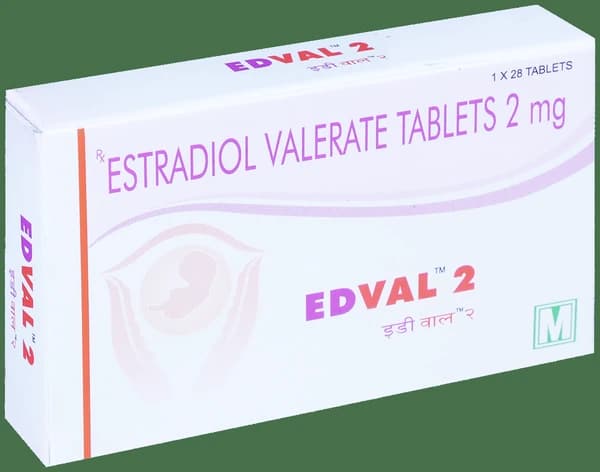

Juliana Tablet
Images are for reference. Actual packaging may vary.
Strip of 21 tablets • TabletPrescription requiredSchedule H
Juliana Tablet
Ethinyl Estradiol (0.02mg) + Desogestrel (0.15mg)
₹282.19
Strip of 21 tablets • Tablet
A valid prescription is required for this medicine.
1
Delivery
Safe & Secure
Easy Returns
24/7 Support
SMARTER CARE
A little guidance.
A better choice.
Haven’t found an alternative? A health advisor can help you understand what to do next.
No matching alternative found
We haven't found a cheaper matching alternative in our catalogue right now. Our health advisors can help you explore other options.
Active composition
Ethinyl Estradiol 0.02 mg
+1 more active ingredient
How It Works
Desogestrel prevents ovulation and alters the endometrial lining, reducing the likelihood of fertilization.
Medicine Strength
0.02 mg
All Active Ingredients
Ethinyl Estradiol0.02 mg
Desogestrel0.15 mg
Uses & Benefits
Medical applications
HeadacheInfectionNausea
Juliana Tablet contains a combination of Ethinyl Estradiol (0.02 mg) and Desogestrel (0.15 mg), which are synthetic hormones used primarily for oral contraception. Ethinyl Estradiol is a synthetic estrogen, while Desogestrel is a progestin; together, they work by inhibiting ovulation, altering the cervical mucus to prevent sperm penetration, and modifying the endometrial lining to reduce the likelihood of implantation.
Read full descriptionShow less
Juliana Tablet is indicated for the prevention of pregnancy in women seeking reliable contraceptive methods. It is administered orally, typically once daily at the same time each day, to maintain consistent hormone levels and maximize efficacy. The combination is generally well-tolerated, but users should be aware of potential side effects such as nausea, headache, breast tenderness, and changes in menstrual bleeding patterns.
Contraindications include a history of thromboembolic disorders, hormone-sensitive malignancies, liver disease, and unexplained vaginal bleeding. Prior to initiation, a thorough medical history and risk assessment are essential. Juliana Tablet does not protect against sexually transmitted infections. Patients should be counseled on adherence and advised to consult healthcare providers if adverse reactions or contraindications arise.
This medication should be used under medical supervision to ensure safety and effectiveness.
Dosage & How to Use
How to use Juliana Tablet Take this medicine in the dose and duration as advised by your doctor. Swallow it as a whole. Do not chew, crush or break it. Juliana Tablet may be taken with or without food, but it is better to take it at a fixed time.
Safety Advice
Important precautions
Side effects
Side-effect information is not available for this medicine. Please consult your doctor or pharmacist.
Safety Advice
Alcohol
Caution is advised when consuming alcohol with Juliana Tablet. Please consult your doctor.
High Risk
Pregnancy
Juliana Tablet is highly unsafe to use during pregnancy. Seek your doctor's advice as studies on pregnant women and animals have shown significant harmful effects to the developing baby.
Medical Advice
Driving
Juliana Tablet does not usually affect your ability to drive.
Exercise Caution
Liver
Juliana Tablet should be used with caution in patients with liver disease. Dose adjustment of Juliana Tablet may be needed. Please consult your doctor.
Regular Checkup
Breastfeeding
Juliana Tablet is unsafe to use during breastfeeding. Data suggests that the drug may cause toxicity to the baby. Nonhormonal and progestin-only contraceptives are preferred in breastfeeding women, especially during the first 4 weeks postpartum
Consult Doctor
Kidney
There is limited information available on the use of Juliana Tablet in patients with kidney disease. Please consult your doctor.
Regular Checkup
Customer Reviews
0 reviews for Juliana Tablet