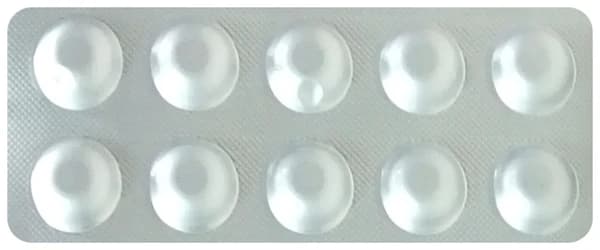

Histoblast Tablet
Images are for reference. Actual packaging may vary.
Strip of 10 tablets • TabletPrescription requiredSchedule H
Histoblast Tablet
Bilastine (20mg)
₹146.25
Strip of 10 tablets • Tablet
A valid prescription is required for this medicine.
1
Delivery
Safe & Secure
Easy Returns
24/7 Support
SMARTER CARE
A little guidance.
A better choice.
Haven’t found an alternative? A health advisor can help you understand what to do next.
No matching alternative found
We haven't found a cheaper matching alternative in our catalogue right now. Our health advisors can help you explore other options.
Active composition
Bilastine 20 mg
How It Works
Bilastine selectively blocks H1 histamine receptors, reducing the effects of histamine and alleviating allergy symptoms.
Medicine Strength
20 mg
Uses & Benefits
Medical applications
HeadacheAllergic
Histoblast Tablet contains Bilastine 20 mg, a second-generation antihistamine indicated for the relief of symptoms associated with allergic rhinitis and chronic idiopathic urticaria. Bilastine acts as a selective peripheral H1 receptor antagonist, effectively inhibiting the action of histamine, thereby reducing nasal and ocular symptoms such as sneezing, rhinorrhea, nasal congestion, itching, and watery eyes.
Read full descriptionShow less
Its high specificity for peripheral H1 receptors minimizes central nervous system penetration, resulting in a low incidence of sedation and other central side effects commonly associated with first-generation antihistamines. Histoblast is administered orally, with a recommended dosage of 20 mg once daily, preferably on an empty stomach to optimize absorption. Clinical studies have demonstrated its efficacy in improving quality of life in patients suffering from seasonal and perennial allergic rhinitis, as well as providing symptomatic relief in chronic urticaria characterized by pruritus and wheals.
Bilastine has a favorable safety profile, with adverse effects generally mild and transient, including headache, dizziness, and gastrointestinal discomfort. It is contraindicated in patients with hypersensitivity to bilastine or any excipients. Caution is advised when co-administered with P-glycoprotein inhibitors. Histoblast Tablet offers an effective and well-tolerated option for managing allergic conditions requiring long-term antihistamine therapy.
Dosage & How to Use
How to use Histoblast Tablet Take this medicine in the dose and duration as advised by your doctor. Swallow it as a whole. Do not chew, crush or break it. Histoblast Tablet is to be taken with food.
Safety Advice
Important precautions
Side effects
Side-effect information is not available for this medicine. Please consult your doctor or pharmacist.
Safety Advice
Alcohol
Caution is advised when consuming alcohol with Histoblast Tablet. Please consult your doctor.
High Risk
Pregnancy
Information regarding the use of Histoblast Tablet during pregnancy is not available. Please consult your doctor.
Medical Advice
Driving
Histoblast Tablet may decrease alertness, affect your vision or make you feel sleepy and dizzy. Do not drive if these symptoms occur.
Exercise Caution
Liver
There is limited information available on the use of Histoblast Tablet in patients with liver disease. Please consult your doctor.
Regular Checkup
Breastfeeding
Histoblast Tablet is probably safe to use during breastfeeding. Limited human data suggests that the drug does not represent any significant risk to the baby.
Consult Doctor
Kidney
Histoblast Tablet should be used with caution in patients with kidney disease. Dose adjustment of Histoblast Tablet may be needed. Please consult your doctor.
Regular Checkup
Customer Reviews
0 reviews for Histoblast Tablet