

Looking for a different medicine?
COMPARE YOUR OPTIONS
Substitutes for
Meetgyl-DG Dental Gel
Composition
Metronidazole 1% w/w + Chlorhexidine Gluconate 1% w/w + Lidocaine 2% w/w

This medicine is currently out of stock.
2 alternatives are listed below. Compare strength, form and availability before choosing.
Same composition & strength
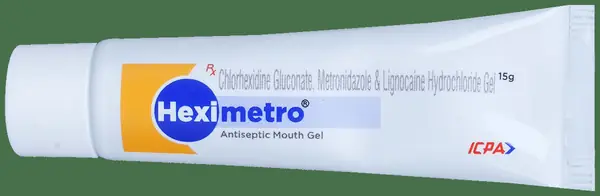
2A like-for-like swap — identical active ingredients, same strength and form as Meetgyl-DG Dental Gel.

About these molecules
Metronidazole1% w/w
Full details →Metronidazole is an antimicrobial agent used to treat bacterial and parasitic infections, including those affecting the gastrointestinal tract and reproductive system. It works by inhibiting nucleic acid synthesis in microorganisms, leading to cell death. Metronidazole's clinical significance lies in its broad-spectrum activity against anaerobic bacteria and protozoa. In summary, Metronidazole is an essential treatment for various infections.
Chlorhexidine Gluconate1% w/w
Full details →Chlorhexidine Gluconate is an antiseptic agent used to treat oral conditions such as gingivitis, mouth infections, and ulcers. It works by binding to bacterial cell membranes, disrupting their integrity, and effectively killing bacteria in the mouth. This compound is essential for maintaining oral hygiene and preventing infections. In summary, Chlorhexidine Gluconate is effective in managing oral health and preventing bacterial infections.
Lidocaine2% w/w
Full details →Lidocaine is a local anesthetic used to relieve pain and discomfort associated with various conditions, including skin irritation and post-herpetic neuralgia. It works by blocking nerve signals in the affected area, providing localized numbness. This medication is essential for managing pain during medical procedures. In summary, Lidocaine is effective in providing local anesthesia.
Why a generic substitute?
Same active ingredient
A substitute has the exact same salt(s) — so it works the same way as the brand.
Often much cheaper
Generics can cost a fraction of the branded price for the identical molecule.
Quality-regulated
All medicines we list are from licensed sellers and meet the same standards.
Substitutes share the same active ingredients, but always confirm the strength and form with your doctor or pharmacist before switching — especially for chronic, prescription or narrow-therapeutic-index medicines.